
Cost Of Living North Shore Long Island: What $66K-$150K Gets You [2026]
![Cost Of Living North Shore Long Island: What $66K-$150K Gets You [2026]](https://v3b.fal.media/files/b/0a869c9f/vwyNiKK367tIVVAGISgv_.jpg)
Cost Of Living North Shore Long Island: What $66K-$150K Gets You [2026]
Introduction
The first time many people look up home prices on Long Island’s North Shore, they get sticker shock. The cost of living on the North Shore of Long Island sits far above the national average, and even well above much of New York State. Nassau County posts a Cost of Living Index around 162, Suffolk County about 132, while the national baseline is 100, so day‑to‑day life here costs more almost across the board.
Now put real income against those prices. A salary between $66,000 and $150,000 sounds solid in many parts of the country. On the North Shore, that same income lands in a very different spot. It can work—and sometimes work well—but it usually comes with trade‑offs in housing, taxes, and lifestyle choices. Knowing how the cost of living North Shore Long Island lines up with that income range is the best way to avoid surprises.
I am Stephen Vingiello with HomeSmart Premier Living Realty. I spend my days helping buyers, sellers, renters, and investors stretch every dollar in this high‑cost market. In this guide, I will walk through what $66K to $150K really covers here: rent and co‑op prices, property taxes, utilities, childcare, commuting, and where strategy can open doors on the North Shore.
Key Takeaways
-
$66K–$150K is workable but tight. Economists estimate a family of four on Long Island needs around $139,545 per year for a comfortable life. That puts $66K well below that line and $150K in the “comfortable but not carefree” range, especially once taxes and big‑ticket costs are factored in.
-
Housing dominates the budget. At this income range, many people look first at co‑ops, condos, or modest rentals instead of classic single‑family homes. Smart neighborhood choices across Nassau and Suffolk can move you from “barely scraping by” to “manageable.”
-
Taxes are almost a second mortgage. High property taxes, state income tax, and an 8.625% sales tax make a real dent in take‑home pay. Ignoring taxes when running the numbers is one of the fastest ways to blow up a budget here.
-
Everyday expenses run high. Utilities, groceries, transportation, and childcare all sit above national averages. A family with young kids can see daycare eat a huge slice of income on its own, which changes what you can safely spend on housing.
A common saying among financial planners is, “High‑cost areas don’t just demand higher income—they demand better information.”
What Your $66K–$150K Income Actually Means On The North Shore
A helpful starting point is the Economic Policy Institute estimate: a family of four on Long Island needs about $139,545 per year to live comfortably. That number blends housing, food, childcare, transportation, healthcare, and taxes. So:
-
At $66K, you are well below that comfort level.
-
At $150K, you are above it, but not at a “spend without thinking” income.
Next is the 30 percent housing rule, where planners suggest keeping housing under 30 percent of gross income:
-
On $66K, that is roughly $1,650 per month.
-
On $150K, it is about $3,750 per month.
When you compare those numbers to North Shore rents and mortgages, you see the squeeze. Many one‑bedroom rentals start near $1,650, and two‑bedrooms or starter ownership options often run higher.
Median household income gives more context. Nassau County sits around $118,500, and Suffolk County around $106,225. Someone earning $66K sits below the typical household here and may need roommates, a partner’s income, or help with a down payment. At $150K, a household is above the median but far from the top tier, especially in more expensive North Shore pockets.
For single earners at the lower end of this range, traditional single‑family homeownership is very hard without help. Dual‑income households in the $66K–$150K band have more room, especially near the top of the range. My role is to map income, debts, and savings to the right areas and property types, then use strong negotiation skills so clients get the most value possible.
Housing Options: What You Can Actually Buy Or Rent
Housing is where the cost of living North Shore Long Island really hits. The average home across Long Island is around $603,000, and North Shore communities often run higher. In Nassau County, many towns have median prices between roughly $675,000 and over $1 million. In Suffolk County, North Shore towns often land in the $535,000 to $850,000range or more.
That makes the classic three‑bedroom colonial a stretch for many households in the $66K–$150K income band. But that does not mean ownership is off the table. It usually means:
-
Looking at co‑ops, condos, or smaller townhomes instead of big detached houses
-
Considering more affordable North Shore areas in Suffolk County, where prices run lower than Nassau’s Gold Coast communities
I often guide clients toward neighborhoods where purchase prices, taxes, and commute times line up with their budget instead of fighting against it.
Co-Ops And Condos: Your Best Path To Ownership
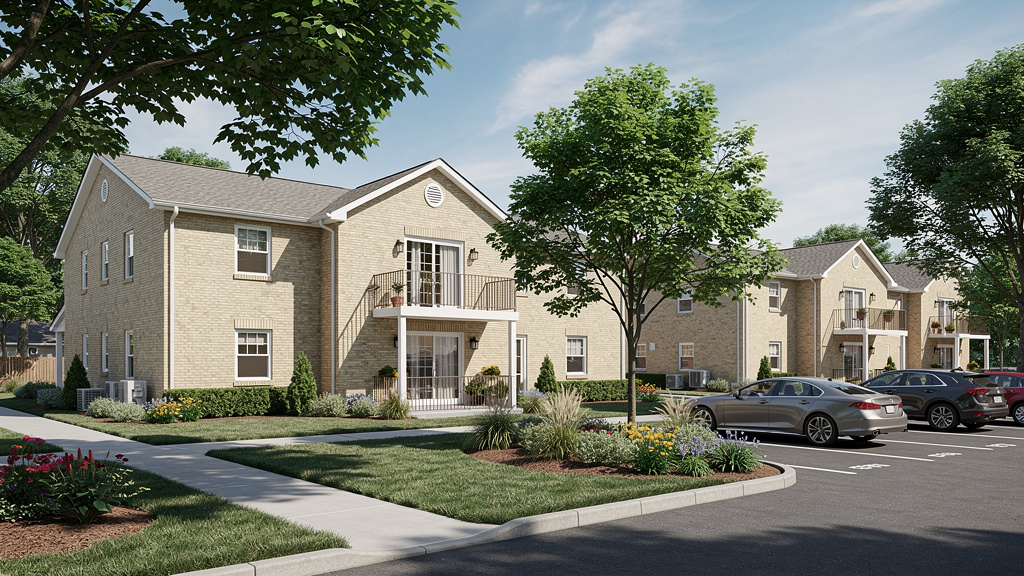
For many buyers in this range, co‑ops and condos are the most realistic first step onto the North Shore.
-
Starter co‑op units in some communities begin around $150,000–$300,000 for studios and one‑bedrooms.
-
One‑ and two‑bedroom condos often sit between $250,000 and $450,000 in towns such as Huntington, East Northport, or Port Jefferson, depending on age, condition, and proximity to Long Island Rail Road stations or the water.
Key differences:
-
Co‑ops usually require board approval, often want 20–25 percent down, and expect strong financials. Monthly maintenance fees (commonly $400–$800+) often include heat, hot water, and property taxes.
-
Condos look and feel more like traditional ownership, with higher prices, more freedom to renovate or rent, and common charges that cover exterior maintenance and shared areas.
Those fees and tax pieces matter as much as the sticker price. For example:
-
A $275,000 co‑op with moderate maintenance might work on a $66K–$80K income if debts are low.
-
A $400,000 condo usually fits better for households closer to $120K–$150K.
Through my first‑time buyer resources and network of mortgage brokers and attorneys, I help clients choose the right structure and navigate co‑op boards and underwriting without last‑minute surprises.
Rental Market Realities
Renting is a big part of North Shore life, especially for people building savings or testing neighborhoods.
Typical ranges:
-
One‑bedroom apartments: roughly $1,750–$3,000 per month, depending on town, building type, and distance to the train.
-
Two‑bedroom units: often $2,500–$3,500 per month, with Nassau generally higher and Suffolk offering slightly better value.
The National Low Income Housing Coalition estimates fair market rent for a basic two‑bedroom on Long Island around $2,035. To keep that under 30 percent of income, a household would need close to $81,390 per year.
At $66K, even $2,035 is more than 35 percent of gross pay; $2,500 is closer to 45 percent. At $150K, those same rents fall below 30 percent, leaving more room for savings and other costs.
Renters should also plan for:
-
Security deposits (often one month of rent)
-
Possible broker fees in some buildings or towns
-
Utilities, which may or may not be included
Because I track both public listings and quieter, word‑of‑mouth rentals, I can often help clients find options that fit their target number without pushing their budget past a safe point.
The Tax Reality: Your Biggest Ongoing Expense
Once housing is on the table, taxes are usually the next shock. Long Island is known for:
-
Some of the highest property taxes in the country
-
High state income taxes
-
An 8.625% sales tax in both Nassau and Suffolk Counties
For someone at $66K, that combination can shrink what looks like a reasonable salary into something much tighter. For someone at $150K, the dollar amounts are larger, even if the pressure feels less intense.
As many housing economists point out, “You don’t just buy the house—you buy the tax bill that comes with it.”
Property Taxes: The Homeownership Reality
The average effective property tax rate on Long Island is about 2.24%, compared with roughly 1.69% for New York State overall. In practice:
-
Median annual property tax is about $11,613 in Nassau County
-
And about $10,006 in Suffolk County
Certain North Shore communities are far higher. In places with more expensive homes, annual bills above $30,000 are not unusual.
Even modest properties feel it:
-
A $250,000 condo at 2.24% carries around $5,600 per year in taxes (~$467 per month).
-
A $400,000 home at the same rate is near $8,960 per year (~$747 per month).
In co‑ops and some condos, property taxes are folded into monthly maintenance, which is why those fees can seem high at first glance.
When I build neighborhood guides for clients, I always include tax ranges by school district and village. Two streets that look similar on a map can have very different yearly tax bills, and that gap can make or break a budget in this income range.
Income And Sales Taxes
New York has a progressive state income tax with rates from about 4% to 8.82%. Rough ballpark:
-
At $66,000 of income, state tax might land near $3,300.
-
At $150,000, closer to $9,900.
Some North Shore residents also work in New York City, which adds a city income tax of roughly 3.078%–3.876%. That extra layer increases the cost of living North Shore Long Island for many commuters.
On top of that, most purchases besides some groceries and prescriptions carry the 8.625% sales tax. A household spending $40,000 per year on taxable items could easily pay around $3,400 in sales tax alone.
When I help clients plan, we look at the whole tax picture—property, state income, any city tax, and sales tax—so the real take‑home number is clear before they choose a price point.
Daily Living Expenses: Beyond Housing And Taxes

Housing and taxes may be the biggest line items, but everyday costs also run high. Households in the broader New York metro area spend around $73,806 per year, versus $62,395 for the average U.S. household. Housing is about 38 percent of that, yet:
-
Food
-
Transportation
-
Healthcare
-
Entertainment and personal expenses
all claim meaningful shares.
At $66K, there is not much slack once rent, taxes, and basics are covered. There may still be room for some dining out or a beach pass, but those choices come with trade‑offs. At $150K, there is more margin, but large fixed costs—like childcare or college savings—can still tighten things quickly.
I often suggest clients draft a sample monthly budget before they settle on a target housing payment so the numbers they are using are based on reality, not guesswork.
Utilities And Home Maintenance
Long Island weather means paying for both heat and air conditioning.
Typical yearly patterns:
-
Electric bills from PSEG Long Island often average around $162 per month.
-
Natural gas for heating can run $248–$344 per month in peak winter.
-
Water bills vary; in Nassau, a common minimum might be around $59 per month, while Suffolk often uses quarterly base fees plus usage charges.
Full‑year utility costs often fall between $3,000 and $4,500, depending on property size, insulation, and personal habits.
Owners should also plan for maintenance and repairs. A simple guide is to set aside about 1% of a home’s value per year over the long run. Some years will be light; others will bring a boiler, roof, or major appliance.
Groceries And Transportation
Grocery prices on the North Shore are higher than in many parts of the country. Rough examples:
-
Gallon of milk: about $4.10
-
Loaf of bread: around $3.06
-
Dozen eggs: roughly $2.50
-
Pound of chicken: near $4.36
A realistic grocery budget:
-
Single person: $400–$500 per month
-
Family of four: often $800–$1,000 per month, before restaurants or takeout
Transportation is another built‑in cost because this is a car‑heavy region. About three‑quarters of residents drive to work. Drivers should plan for:
-
Gas prices that often sit above the national average
-
Higher‑than‑average car insurance, especially in parts of Nassau County
-
Routine maintenance and repairs
Altogether, a typical car owner might budget $400–$600 per month for gas, insurance, and upkeep.
For commuters to New York City, Long Island Rail Road passes add a significant but often worthwhile expense, trading parking and traffic for a predictable train ride. When I help clients choose towns, we weigh commute length, rail access, and transportation costs right alongside home prices.
Childcare And Education: The Family Factor

Many families move to the North Shore for its strong public schools. Districts such as Jericho, Syosset, Great Neck, Manhasset, and Cold Spring Harbor frequently appear near the top of New York rankings. They offer:
-
Rigorous academics and many Advanced Placement classes
-
Extensive music, arts, and athletic programs
-
Wide choices of clubs and activities
Property taxes fund this system, so a portion of the higher cost of living on the North Shore of Long Island is really an investment in education.
Public schools themselves do not charge tuition for residents, but families still feel costs through:
-
Activity fees and supplies
-
Higher housing prices in top districts
There are also respected private and parochial schools, though tuition adds another large bill.
For younger children, childcare is often one of the biggest expenses in a family budget. Full‑time daycare or preschool on Long Island can run:
-
$1,500–$2,500 per month per child
-
That is $18,000–$30,000 per year for one child, and $36,000–$60,000 for two
On a $66K income, even the low end of that range can devour more than half of take‑home pay. On $150K, the share is smaller but still big enough to change what is realistic for housing.
Many dual‑income households find that one person’s paycheck is nearly spoken for by childcare in the early years. Those costs ease when children move into public school full time, though after‑care and summer camps keep the line item meaningful. When I prepare reports for families, I include school district notes and typical childcare costs so they see the full picture before setting a home budget.
Making It Work: Strategic Approaches For Your Budget
So how do you make a $66K–$150K income work on the North Shore? The short answer is: with strategy and clear priorities. No two households have the same mix of income, debt, kids, and long‑term plans, so the details matter.
A few levers we often use:
-
Geography. Suffolk County North Shore towns—Huntington, Northport, Smithtown, Port Jefferson, and others—often offer better value than Nassau’s priciest communities. Commutes may be slightly longer, but purchase prices and property taxes can be more manageable.
-
Property type. Instead of only chasing detached single‑family homes, we look at co‑ops, condos, townhouses, or smaller attached homes that still meet core needs. Homes needing cosmetic updates can also be smart choices when the location is good and the structure checks out.
-
Timing. A “rent‑then‑buy” plan can work well. Renting for a few years in a target area lets people learn the community while building savings, improving credit, and getting ready for board reviews or mortgage underwriting.
I also encourage clients to see their first North Shore property as a stepping stone, not the final stop. Maybe that means a two‑bedroom condo now, then trading up later as income rises or childcare costs fall. Together, we list what is non‑negotiable—safety, bedroom count, basic space—and what is flexible, such as yard size, finishes, or commute time. With that clarity, my negotiation skills and professional network can go to work on a plan that fits both the math and the life my clients want.
Stephen Vingiello - HomeSmart Premier Living Realty: Your North Shore Budget Expert
Navigating the cost of living North Shore Long Island on a limited or mid‑range budget calls for more than scrolling online listings. You need someone who:
-
Knows the numbers behind each town
-
Understands co‑op and condo board requirements
-
Can spot both red flags and quiet opportunities
That is the role I take on for each client.
As a certified real estate negotiator with HomeSmart Premier Living Realty, I focus on securing the best possible terms when every dollar matters. That can mean:
-
Pushing for repair credits after inspections
-
Requesting seller concessions
-
Structuring offers that appeal to sellers without stretching buyers past their comfort zone
For renters, it can mean reading between the lines of lease terms so they know exactly what they are signing.
My work is centered on North Shore communities from western Nassau to eastern Suffolk. I maintain detailed neighborhood guides that cover realistic prices, property tax ranges, commuting patterns, school notes, and local amenities. With new clients, we start with a full review of income, debts, savings, and future plans, then match that to specific towns and property types—not vague wish lists.
I rely on a trusted network of mortgage brokers, attorneys, inspectors, and other professionals who share a client‑first mindset. They help secure appropriate loan products, review contracts closely, and catch issues before they become expensive problems. If you want straight talk about how your income fits into the North Shore market, the first step is a simple, no‑pressure conversation.
Conclusion
Life on the North Shore of Long Island offers a lot: beautiful harbors and beaches, strong schools, lively downtowns, and close‑knit communities. At the same time, the cost of living on the North Shore of Long Island is high, and a $66K–$150K income does not stretch as far here as it might elsewhere. Housing, property taxes, everyday expenses, and childcare all sit above national averages, and that reality has to guide every decision.
The encouraging part is that there are still realistic paths within this income range:
-
Co‑ops and condos can open doors to ownership without jumping into million‑dollar listings.
-
Certain Suffolk County towns offer better value while still delivering good schools and quality of life.
-
Careful choices about transportation, childcare, and lifestyle can keep long‑term plans on track even when month‑to‑month feels tight.
From my perspective as a North Shore agent, the most important ingredients are clear expectations and good information. When people see exactly how their income lines up with the cost of living North Shore Long Island, they can make thoughtful trade‑offs instead of rushed decisions. If you are serious about living here on a $66K–$150K income, the smartest move is a realistic review of options with a local expert who will advocate for you. I would be glad to help turn your North Shore plans from a distant idea into a focused, workable plan.
FAQs
Can You Afford To Live On Long Island With A $66K Salary?
Yes, it is possible, but it takes careful planning and modest expectations. At $66K, most people will:
-
Rent or look at modest co‑ops rather than single‑family homes
-
Focus on more affordable North Shore areas, often in Suffolk County
-
Keep a close eye on discretionary spending, especially if they have student loans or childcare costs
In my experience, a single person has more room at this income than a family. Roommates, shared housing, or a dual‑income setup often make the numbers work more comfortably.
What Kind Of Home Can I Buy On The North Shore With $150K Saved For A Down Payment?
With $150K saved, you have a strong base. That amount can cover a 20% down payment on a $750,000 property, which may open:
-
Older single‑family homes in some outer North Shore areas
-
Nicely updated condos and co‑ops in more central towns
You will still need funds for closing costs (often 2–5% of the purchase price) and should plan for ongoing property taxes and maintenance. With lower down payment options—such as FHA or 10–15% down conventional loans—that $150K can give you even more flexibility. When clients come in with savings at this level, I help them decide how much to use for down payment versus what to hold back for improvements and future expenses.
Are Property Taxes Really That High On Long Island?
Yes. Property taxes on Long Island are among the highest in the country. The average effective rate is about 2.24%, which often translates into $11,000+ per year for typical homes and much more in high‑priced areas. These taxes fund excellent school districts and strong local services, which many residents see as worth the cost.
When people buy here, they quickly learn that property taxes can rival the mortgage over time. Because tax levels vary widely by town and school district, I always help clients compare several areas before deciding where to focus.
Is It Better To Rent Or Buy On The North Shore With A Limited Budget?
The answer depends on your goals, timing, and risk tolerance.
-
Renting offers flexibility, fewer surprise repair bills, and the chance to test neighborhoods without a long commitment. It can keep you out of high property tax payments while you build savings or pay down debt.
-
Buying lets you build equity, lock in a more stable monthly payment, and potentially benefit from tax deductions tied to mortgage interest and property taxes.
How long you plan to stay matters a lot. Buying often makes more sense if you expect to stay put for several years. When I sit down with clients, we walk through both paths so they can choose the approach that best matches their budget, lifestyle, and long‑term plans.
Categories
Recent Posts