
Expert Guide On How To Declutter Before Selling Long Island Homes
Expert Guide On How To Declutter Before Selling Long Island Homes
Introduction
Selling a home on the North Shore of Long Island can feel a bit like stepping onto a crowded stage. There are plenty of buyers, but there are also plenty of other homes competing for attention. Learning how to declutter before selling Long Island property is one of the simplest ways to make sure the spotlight lands on the right place, which is the home, not the stuff inside it.
When I walk into a listing consultation, I often see good homes hiding behind extra furniture, stuffed closets, and years of family memories. I completely understand why it happens. Every photo on the wall and every box in the basement tells a story. At the same time, the data is clear. Homes that are decluttered and staged can sell up to 30 percent faster, often for 5–10 percent more, with an average of about $2,584 in extra value from decluttering alone.
My name is Stephen Vingiello with HomeSmart Premier Living Realty, and I help Long Island sellers present their homes in a way that buyers love. My clients follow a simple, step-by-step plan that includes smart decluttering, thoughtful staging, and a focus on what buyers in Nassau County and the North Shore want most. That approach has helped my listings sell for an average of 107 percent of the asking price, with 100 percent client satisfaction.
In this guide, I will walk through a complete system for how to declutter before selling a Long Island home. We will go room by room, use an easy three-pile method, turn a clean house into a show-ready one, and talk about when to bring in professional help. By the end, you will have a clear plan that respects your time, your feelings, and your goals for a strong sale.
Key Takeaways
Before we dive into the details, here is a quick snapshot of what this guide covers and why it matters.
-
Decluttering helps buyers see the space instead of the stuff. It makes rooms look larger and brighter. That leads to faster offers and stronger prices.
-
Industry data shows that decluttering can add about $2,584 in value and help homes sell up to 30 percent faster. That is a big return on time and effort. My own listings average 107 percent of asking price when preparation is done well.
-
The three-pile method keeps decisions simple. Every item goes into keep, donate or sell, or discard or recycle. This system cuts stress and keeps the process moving.
-
Staging, lighting, scent, and neutral decor shape how buyers feel. When a home looks calm and inviting, buyers connect with it and stay focused on its best features.
-
Daily habits and quick pre-showing routines keep a home ready at almost any time. A tidy, show-ready home gives every buyer visit a real chance to turn into an offer.
“Clutter is not just the stuff on your floor – it’s anything that stands between you and the life you want to be living.”
— Peter Walsh, professional organizer
Why Decluttering Is Your Secret Weapon In The Long Island Market
On the North Shore of Long Island, buyers are not just shopping for bedrooms and bathrooms, and research on the cultural practice of decluttering shows how deeply it influences modern consumption patterns and household decision-making. They are looking for a feeling. They want space, light, and a home that seems easy to move into. Clutter gets in the way of that feeling very fast. Extra furniture makes rooms seem tight. Full counters and shelves pull the eye away from good features like natural light, wood floors, or a nice open layout.
When a home is cluttered, buyers also start to worry about care and upkeep. They may wonder what is behind the boxes in the basement or what they cannot see in a packed garage. That doubt hurts both interest and offers. On the other hand, a clean, simple home lets buyers picture their own furniture and life in the space. They stop thinking about the current owner and start thinking about themselves.
Common buyer reactions to clutter include:
-
“Where would I put my things?”
-
“If the closets look like this, is there enough storage?”
-
“If they have not kept up with cleaning, what else might be overdue?”
The numbers back this up. Studies show decluttered homes can sell up to 30 percent faster. Homes that are cleaned and staged often sell for 5–10 percent more. One report ties almost $1,728 of extra value to deep cleaning and another $2,584 to decluttering. In a Nassau County market where well-presented homes draw multiple offers, those gains make a real difference.
When I guide sellers through how to declutter before selling Long Island homes, we focus on that buyer reaction. We remove distractions so that the home’s strengths stand out and we compete at the very top of the price range. That is a big reason my listings average 107 percent of asking price. Decluttering is not just about neatness. It is a sharp pricing and marketing tool.
“You never get a second chance to make a first impression.”
— Will Rogers
The Strategic Room-By-Room Decluttering System
Looking at an entire home and trying to clear it in one shot can feel overwhelming. The key is to break the work into small, focused steps. I always recommend a room-by-room plan instead of jumping around. This keeps progress visible and helps you stay motivated.
Start with the areas buyers notice first. On Long Island, that usually means the entry, living room, and kitchen. These spaces create the first impression during showings and in listing photos online. Spend focused time in one area, finish it, and then move on to the next. Setting a timer for 15–30 minutes at a time can also help. It keeps the task from feeling endless and helps you make quick decisions.
Once the main rooms are under control, move into bedrooms, bathrooms, storage spaces, and finally the garage and basement. Think of each room as a small project with a clear goal. In every space, the aim is the same: clear surfaces, reduce visual noise, and leave only a few well-chosen items that help the room feel open and calm.
Open And Visible Areas Creating That Key First Impression
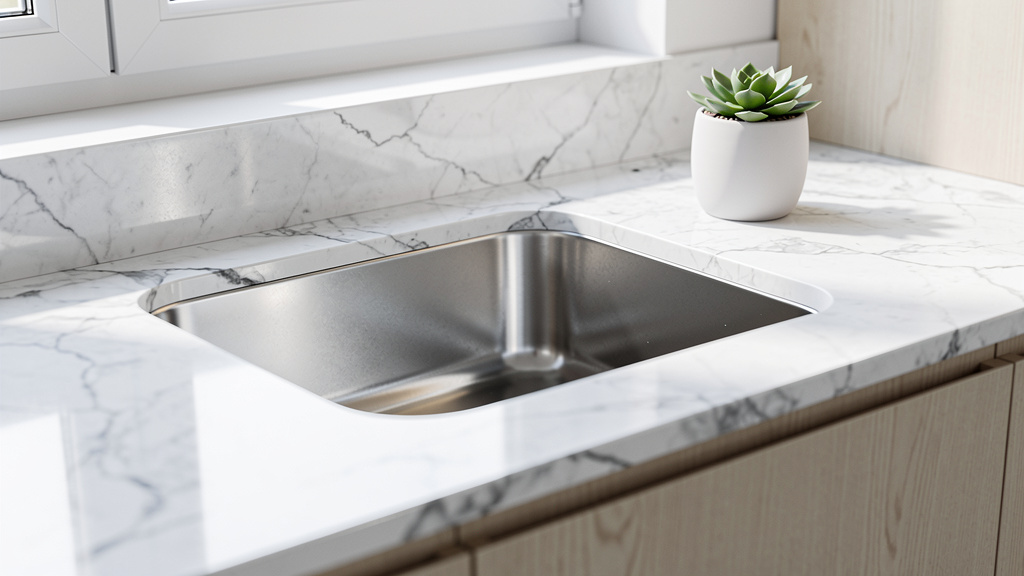
Open and visible areas are the parts of your home buyers notice first and remember most. This includes the entry, hallways, living room, dining area, and kitchen counters. When these spaces look clean and simple, buyers relax and feel welcome. When they are crowded, buyers feel tense before they even see the rest of the home.
Start by clearing all flat surfaces. That means coffee tables, end tables, desks, dining tables, and kitchen counters. Leave out only one or two items per surface, such as:
-
A small plant or vase
-
A simple lamp
-
A neat tray or bowl
This creates breathing room and lets light bounce around the space. It also makes your listing photos stand out online.
Next, pack away personal items. Family photos, kids’ artwork, sports trophies, travel souvenirs, and small collections should all go into boxes for the next home. The goal is not to erase your life but to help buyers imagine theirs. Even the refrigerator door matters. Remove magnets, schedules, and photos so the kitchen feels clean and calm.
Storage Areas Showcasing Space And Potential
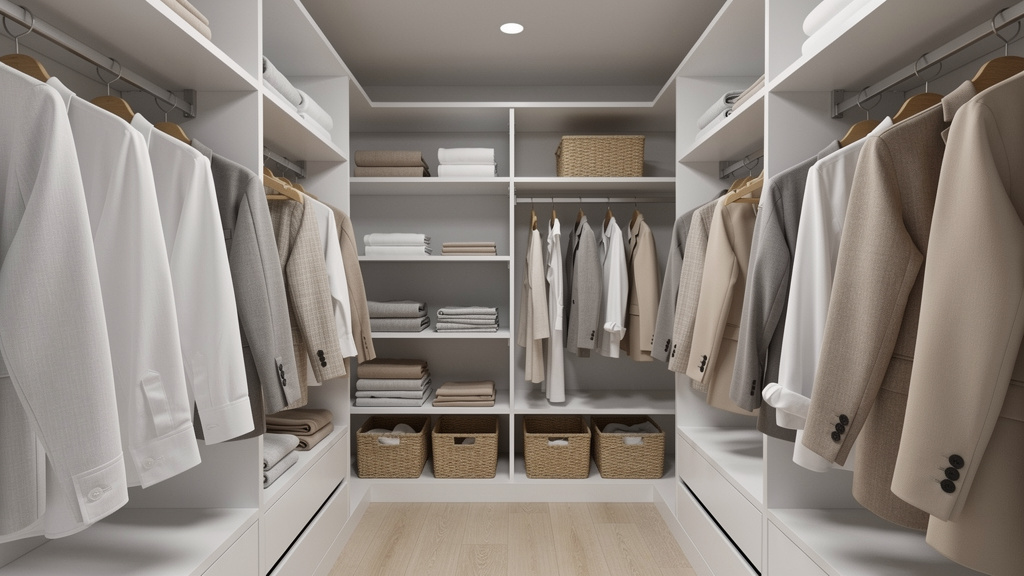
Many Long Island home buyers care deeply about storage. They will open closets, pantries, built-ins, and cabinets to see if there is enough room. If these spaces are stuffed, buyers feel that the home does not have enough storage, even if the square footage is strong.
Aim for what I call the half-full rule. Closets, pantries, and cabinets should look about half to two-thirds full, not packed. Remove off-season clothes, extra shoes, bulky bedding, and small appliances you rarely use. Pack them neatly into boxes and move them to a garage corner or, better yet, an off-site storage unit while the home is on the market.
Inside each storage area, think neat and simple, using proven yarn storage system principles that emphasize visibility, accessibility, and organized categorization:
-
Use matching hangers in closets so clothes hang at one level.
-
Fold towels and linens in clean stacks.
-
Line up pantry items with labels facing forward.
In garages and basements, group boxes by type and stack them against a wall so buyers can see the full floor. A clean, well-lit storage area sends a strong message that the home is easy to live in and easy to organize.
Outdoor Spaces Maximizing Curb Appeal
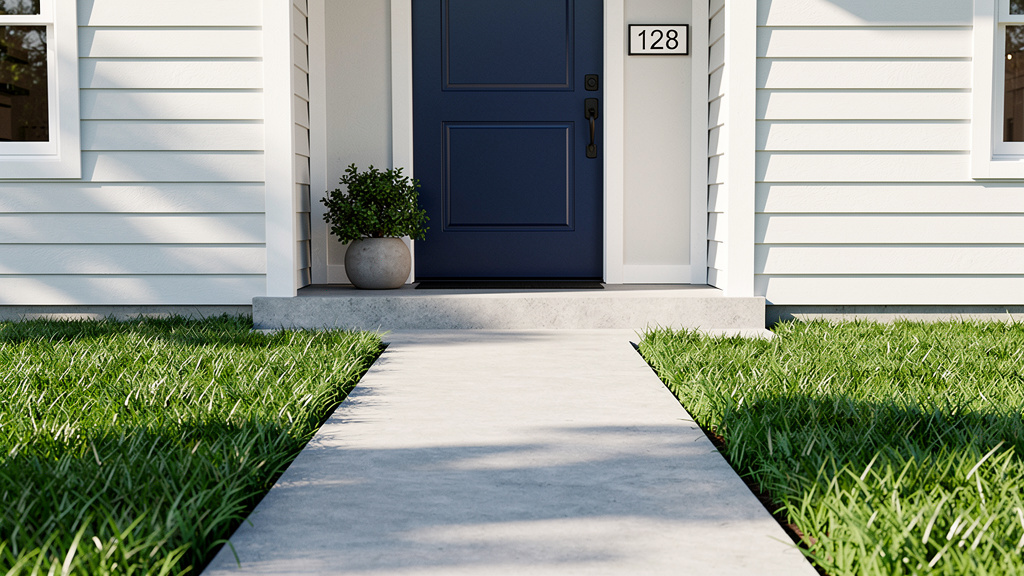
Decluttering does not stop at the front door. Outdoor areas set the tone before buyers even step inside. On the North Shore, many buyers picture summer evenings on the deck or kids playing in the yard. Too many stored items outside can ruin that picture.
Walk around the exterior and remove anything that looks like storage or clutter. That includes old patio furniture, broken planters, toys, yard tools, temporary pools, trampolines, and trailers or small boats if possible. Store these items neatly out of sight or off-site. Clear porches, decks, and patios so only a few clean pieces of furniture remain.
Then give the yard a simple tidy. Mow the lawn, trim shrubs, pull weeds, and add fresh mulch where needed. Even small steps, like sweeping walkways and wiping the front door, help. Outdoor spaces do not need to be fancy. They just need to look open, clean, and ready for the next owner’s ideas.
Master The Three-Pile Method For Decision-Making

One of the biggest roadblocks in decluttering is decision fatigue. It is hard to pick up the hundredth item in a room and still think clearly about it. That is why I guide my clients to use a simple, three-pile method. Every item in a room goes into one of three groups: keep, donate or sell, or discard or recycle.
This system turns hundreds of small choices into three repeatable steps. You can lay out three boxes, three bins, or even three corners of a room. The key is to handle each item only once whenever possible. Pick it up, decide which group it belongs in, and then move on. Over time, that steady rhythm clears rooms in a way that feels calm instead of chaotic.
The three-pile method also fits well with planning for a move. As you sort, you are not just cleaning. You are deciding what deserves a place in the next home and what does not. That mindset makes it easier to let go of items that do not fit your next chapter.
The "Keep" Pile Essentials For Your Next Chapter
The keep pile is for items that clearly belong in your life and in your next home. These are things you use often or truly love. When you decide what belongs here, be honest about your daily habits and your new space. A kitchen gadget you have not used in two years probably does not earn a spot in a smaller Long Island kitchen.
A simple rule helps a lot: if you have not used an item in the last year and it has no deep emotional meaning, it likely does not belong in the keep pile. For sentimental items, give yourself limits. One box of keepsakes per person is a good starting point. This keeps special items special, instead of letting them fill half the garage.
Once you decide to keep something, either pack it for the move or place it neatly where buyers will see it. Neat bookshelves, simple decor, and well-edited closets help both now and later. You are staging the home and preparing for moving day at the same time.
The "Donate/Sell" Pile Giving Items New Life
The donate or sell pile is for items that still have life left but no longer fit your plans. These might be extra furniture pieces, clothes in good condition, duplicate kitchen items, or toys the kids have outgrown. Placing something in this group can feel much easier than throwing it away, because you know someone else can use it.
On Long Island, there are many places that welcome donations, such as Goodwill or local shelters and church groups. Gently used furniture and home goods are often in high demand. For higher-value items, online platforms such as Facebook Marketplace or Craigslist can help you earn some money to offset moving costs. A well-planned garage sale can also clear a lot at once.
When you choose what to sell, be realistic about prices. Look up similar items and aim for fair, middle-of-the-road numbers. The goal is not to squeeze every dollar out of each item. The goal is to clear space in a smart way while helping your budget and your community.
The "Discard/Recycle" Pile Responsible Disposal
The discard or recycle pile is for items that are broken, damaged, or simply worn out. Old cords, chipped dishes, stained clothing, expired products, and broken toys belong here. Keeping them adds no value to your life and makes your home feel crowded and tired to buyers.
As you clear this pile, think about disposal in a careful way. Many Long Island towns offer recycling programs for paper, cardboard, glass, and some plastics. Some also have special days or drop-off points for electronics, metal, and larger items. Check your local rules so you do not place the wrong items at the curb. For bulky trash, you can often schedule a special pickup through town waste services.
Hazardous items need extra attention. Old paint, motor oil, chemicals, batteries, and some electronics cannot go in regular trash. Your town or county will have rules and events for safe drop-off. Plan ahead so this pile does not sit around and become new clutter. A set deadline for removal, such as the end of each week, keeps the process moving and your home on track.
From Decluttered To Show-Ready Staging And Presentation

Once the excess is gone, the next step is turning a clean home into a show-ready one. This is where staging comes in. Staging is not about pretending to be something you are not. It is about showing buyers the full potential of each room in a clear, simple way.
The National Association of Realtors reports that 77 percent of buyers find it easier to picture themselves in a staged home. That mental picture matters. When buyers can imagine daily life in your home, they stay longer, notice more positives, and often feel more comfortable making a strong offer. I often bring in members of my trusted staging network for clients who want that extra polish, but there is also a lot you can do on your own.
“Home staging used to be optional. Now it is a necessity in most markets.”
— NAR member insight
Define Each Room's Purpose And Flow
Every room in the home should have a clear job. A spare room that acts as an office, playroom, and gym at the same time can confuse buyers. They may walk in and wonder what the space is meant to be. That confusion lowers the sense of value.
Pick one main purpose for each room. If a room makes the most sense as a bedroom, set it up with a bed, nightstands, and simple decor. If an office fits better, use a desk, chair, and a few shelves. Buyers in the North Shore market love flexible space, but they still need to see a main use.
Furniture placement also matters. Leave enough room to walk easily around beds, sofas, and tables. Avoid blocking windows or crowding corners. The eye should travel around the room without running into large pieces. When the flow feels smooth, the room feels larger, even if the square footage has not changed.
Creating An Inviting Atmosphere Through Details
With the major pieces in place, it is time to fine-tune the atmosphere. Small details shape how a buyer feels in the moment. Light, scent, and decor all work together in a quiet but powerful way.
Lighting is a great starting point:
-
Open curtains and blinds wide to let in as much natural light as possible.
-
Before every showing, turn on overhead lights and lamps, even during the day.
-
Choose soft white bulbs so the light feels warm instead of harsh.
If any corner of a room feels dark, add a simple floor or table lamp.
Scent is another important detail. Strong air fresheners or heavy candles can make buyers think you are hiding something. Instead, aim for a light, clean smell. Taking out trash often, cleaning surfaces, and airing out rooms goes a long way. For a special touch, some sellers simmer water with cinnamon sticks or vanilla on the stove, or bake a small batch of cookies before a showing. Fresh flowers can also add a gentle, natural scent.
Finally, look at decor with a neutral eye. Soft, plain throw pillows, simple artwork, and a few green plants add warmth without taking over. Stick to neutral color schemes with just a few accents. Remove artwork or decor that is very bold, very personal, or tied to specific hobbies or beliefs. When buyers walk into a calm, neutral space, they can picture their own style filling it in. That feeling raises their sense of value without any major spending on your side.
Maintaining Show-Ready Condition Throughout The Selling Process
Once your home looks great, the next challenge is keeping it that way. Showings can pop up with little notice, and the buyers who come through on a random Wednesday night might be the ones who write the best offer. Living in a home while trying to keep it ready for showing is not easy, but a few smart systems make it manageable.
Think of daily and weekly routines as part of your selling plan. When everyone in the household knows the rules and follows them, the home needs far less last-minute work. I often help clients set up simple checklists that hang on the fridge or inside a pantry door. These lists turn good intentions into habits and keep small messes from turning into new clutter.
Daily And Weekly Maintenance Routines
Daily routines keep the home from slipping back into its old state. Each morning, make all the beds and straighten pillows and blankets. After using the kitchen, wipe counters, load the dishwasher, and clear the sink. Put toys, remotes, and mail into set baskets or drawers instead of leaving them out. Before bed, take five to ten minutes to do a quick walk-through and reset each room.
To make this easier, think in terms of two short checklists:
-
Daily tasks
-
Make beds and straighten bedrooms
-
Wipe kitchen and bathroom counters
-
Load and run (or at least clear) the dishwasher
-
Put toys, mail, and personal items back in their spots
-
Do a 5–10 minute evening walk-through
-
-
Weekly tasks
-
Vacuum carpets and rugs and mop hard floors
-
Clean bathrooms more deeply (toilets, tubs, showers)
-
Dust shelves, light fixtures, and blinds
-
Clean mirrors and glass doors
-
If you share the home with family members, assign simple jobs so the work is spread out. When everyone helps, the home stays much closer to show-ready all week long.
Last-Minute Touch-Ups Before Showings
Even with good habits, a quick touch-up before buyers arrive makes a big difference. It helps to keep a small cleaning caddy ready with wipes, glass cleaner, and a handheld vacuum. That way, you do not waste time hunting for supplies when your agent calls.
About 15 minutes before a showing:
-
Start with high-traffic areas and do a fast sweep or vacuum of entryways and main rooms.
-
Wipe kitchen and bathroom counters, as well as faucets and mirrors, to remove any new spots.
-
Open windows for a few minutes if the weather allows, then close them before buyers arrive to lock in a fresh smell.
-
Make sure all beds are made, clothes are off the floor, and personal items like laptops, mail, and toiletries are put away.
-
Turn on all lights and open blinds.
-
Do a quick “smell check” near pet areas or trash cans and fix anything that stands out.
These quick steps help your Long Island home for sale feel polished, even when showings are short-notice.
When To Call In Professional Support
Some sellers enjoy the decluttering process, but many feel stuck or short on time. If the home has decades of belongings, if you are helping a relative move, or if you are on a tight timeline, bringing in help can save both stress and money. In my work on Long Island, I often connect clients with trusted professionals who handle the heavy lifting so the seller can focus on decisions.
Hiring help is not a sign of failure. It is a smart choice when time, energy, or distance get in the way. Because I work across the North Shore market with HomeSmart Premier Living Realty, I know which organizers, haulers, and cleaners show up on time and do the job right. Together, we can match the level of support to your needs instead of forcing a one-size-fits-all plan.
Professional Organizers And Decluttering Services
Professional organizers and decluttering teams bring order and calm into what can feel like chaos. They help sort through belongings, suggest systems that make sense, and keep the process moving at a steady pace. Many also handle packing items into boxes, labeling them, and arranging for donation pickups or junk removal.
The biggest benefit is their outside view. They are not attached to your items the way you are, so they can ask clear, kind questions that lead to better decisions. What might take you several weekends, they can often handle in a day or two. This is especially helpful for downsizing, estate situations, or when you have a short window to list the home.
On Long Island, many of these professionals also understand what local buyers look for. They know which areas matter most in photos, how much furniture is too much, and how to show off storage. I work with a curated group of these pros and can match clients with people who fit their style and budget.
Deep Cleaning Services For Maximum Impact
Even the best decluttering work falls flat if the home is not truly clean. Buyers notice dusty vents, dirty baseboards, and stained grout more than most sellers think. A professional deep clean before photos and showings can change how the entire home feels in just one visit.
Cleaning teams go beyond normal weekly chores. They scrub bathrooms and kitchens top to bottom, clean inside and outside of appliances, wash windows, and wipe baseboards and doors. Many also steam clean carpets and address pet odors. These details photograph very well and make in-person visits more pleasant for buyers. Data shows deep cleaning alone can add around $1,728 in value to a home.
Cleanliness also sends a strong signal that the home has been cared for. When buyers see clean vents, tidy corners, and sparkling fixtures, they tend to assume the systems they cannot see have been maintained as well. I often recommend specific Long Island cleaning companies to my clients, based on past results. Together, decluttering and deep cleaningcreate a fresh starting point for both professional photos and buyer showings.
Essential Repairs And Maintenance To Address While Decluttering
As clutter clears, the true condition of the home becomes easier to see. That is actually a big advantage. Small issues that were hidden behind furniture, boxes, or decor now come into view and can be handled before buyers or inspectors spot them. With about 95 percent of home purchases including an inspection contingency, this step matters a lot.
Walk through each room with fresh eyes and look for:
-
Leaky faucets or running toilets
-
Cracked tiles or peeling caulk
-
Chipped or scuffed paint
-
Outlets and switches that do not work
-
Loose handrails or sticking doors
In older homes, check for obvious signs of past leaks. Fixing these items before listing shows buyers that you care about the home and gives them fewer reasons to ask for credits later.
Do not forget basic seasonal care. Change HVAC filters, clean gutters, and replace burned-out bulbs. Outside, think of maintenance as part of curb appeal. Mow, edge, and trim. Power wash siding and walkways if needed. Clean windows so they sparkle. A fresh coat of paint on the front door, a new welcome mat, and updated house numbers can often be done for under a thousand dollars, yet they change the feel of the arrival in a big way. I regularly help clients decide which small repairs and upgrades will pay off most in our North Shore Long Island market so they do not waste time or money on the wrong items.
Conclusion
Preparing a Long Island home for sale does not start with pricing. It starts with presentation. Learning how to declutter before selling Long Island homes gives sellers one of the strongest tools they have. A clean, simple, well-organized home shows buyers that the space is bright, roomy, and cared for. That feeling leads to faster offers and stronger numbers. We see it again and again in the data and in real sales, including my own record of averaging 107 percent of asking price.
Yes, letting go of belongings and personal touches can feel emotional. You are not just clearing items. You are closing one chapter and getting ready for the next. But with a room-by-room plan, the three-pile method, good staging, and smart maintenance, the work becomes manageable. Every box packed and every surface cleared moves you closer to your goal.
When I work with sellers, I do not use a cookie-cutter checklist and walk away. I look at the home, the timeline, and the seller’s needs, then bring in the right support from my trusted network when needed. If you are thinking about selling on the North Shore of Long Island and want a clear, personal plan for decluttering and preparing your home, I am here to help. Together, we can present your home at its best and set you up for a sale that feels both smooth and rewarding.
FAQs
Question 1: How Far In Advance Should I Start Decluttering Before Listing My Long Island Home?
In most cases, starting four to six weeks before your planned listing date works well. That window gives enough time to work room by room without long, stressful days. If you are downsizing from a larger home or sorting decades of belongings, two to three months is often more realistic. An early start also leaves room for repairs that show up once clutter is gone. When we meet, I can help build a timeline based on your home and schedule.
Question 2: Should I Rent A Storage Unit While My Long Island Home Is On The Market?
For many sellers, a short-term storage unit is a smart move. Removing extra furniture, boxes, and seasonal items makes rooms and closets look larger in person and in photos. Good candidates for storage include out-of-season clothing, holiday decor, bulky hobby items, and extra seating or tables. While there is a monthly cost, the cleaner look often leads to faster offers and higher prices. I can walk through your home and help you weigh the cost versus the likely gains.
Question 3: What Is The Difference Between Decluttering And Depersonalizing?
Decluttering means reducing and organizing items so spaces look open and neat. It covers things like clearing counters, editing furniture, and straightening closets. Depersonalizing is a bit different. It focuses on removing items that strongly reflect your personal life, such as family photos, diplomas, sports trophies, and bold or highly specific artwork. Decluttering creates physical space, while depersonalizing creates emotional space so buyers can picture their own lives in the home. Both steps work together to improve buyer reactions.
Question 4: How Can I Keep My Home Decluttered While Still Living In It During The Selling Process?
The key is to keep only what you truly need day to day and give everything a “home.” Set up daily habits like making beds, wiping counters, and putting items back right after use. Try a simple rule where bringing in something new means removing something old. Keep a cleaning caddy handy for quick touch-ups before showings. A short, 15-minute reset routine before bed also helps a lot. I remind clients that this stage is temporary, and I stay in touch through the listing to help them adjust as needed.
Question 5: Will Decluttering And Staging Really Increase My Home's Sale Price In The Long Island Market?
Yes, in most cases the impact is very real. Industry reports show that decluttering and staging can add 5–10 percent to a sale price, with about $2,584 tied directly to decluttering and homes selling up to 30 percent faster. Staged homes also help buyers picture themselves living there, and 77 percent of buyers say that makes a difference. In my own practice, strong preparation, including decluttering and staging, is a big part of why my listings average 107 percent of asking price. In a competitive North Shore market, proper preparation is not a luxury. It is a key part of a successful plan.
Categories
Recent Posts